


What furniture options are available for kids?
Starting to make a safe and cozy place for your child can feel both really fun and kind of scary. With so many furniture options available, it’s easy to feel unsure where to start. However, fear not! Designing a functional and delightful space for your little one does not have to be complicated. This comprehensive guide delves into the world of kids’ furniture, equipping you with the knowledge to navigate through various factors such as safety, age-appropriate design, sustainability, and budget-friendly solutions, all while ensuring the promotion of creativity and integration of educational elements.
Safety First: Building a Haven of Security
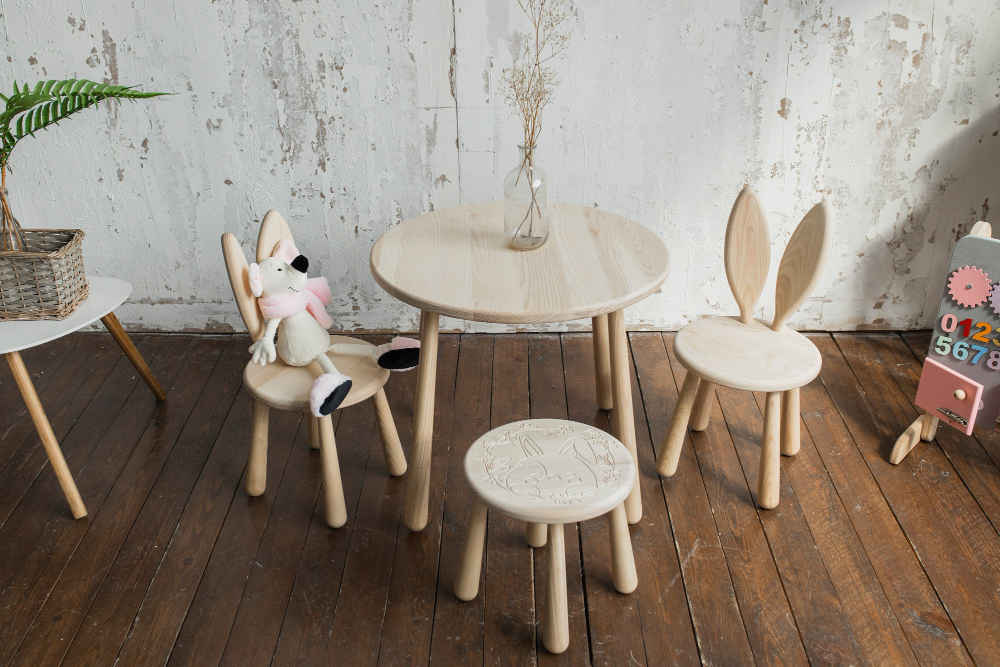
- Safety should be the top priority when furnishing a child’s room. Prioritize features that reduce the risk of accidents.
- Rounded edges: When selecting furniture for young children, prioritize pieces with rounded edges to reduce the risk of injury from sharp corners.
- Non-toxic materials: Make sure the furniture is made from safe, non-toxic materials that do not compromise your child’s health. Look for certifications that confirm the absence of harmful chemicals such as lead and formaldehyde.
- Secure fastenings: When you’re in the market for furniture, it’s essential to prioritize safety. Rickety furniture can be a serious hazard, as it can easily tip over or collapse, potentially resulting in injury. To avoid this risk, look for pieces constructed with sturdy materials and secure fastenings that prevent accidental separation of components. Taking these precautions ensures that your furniture is functional and safe for your loved ones.
Function Meets Comfort: Tailoring kids Furniture to Growth
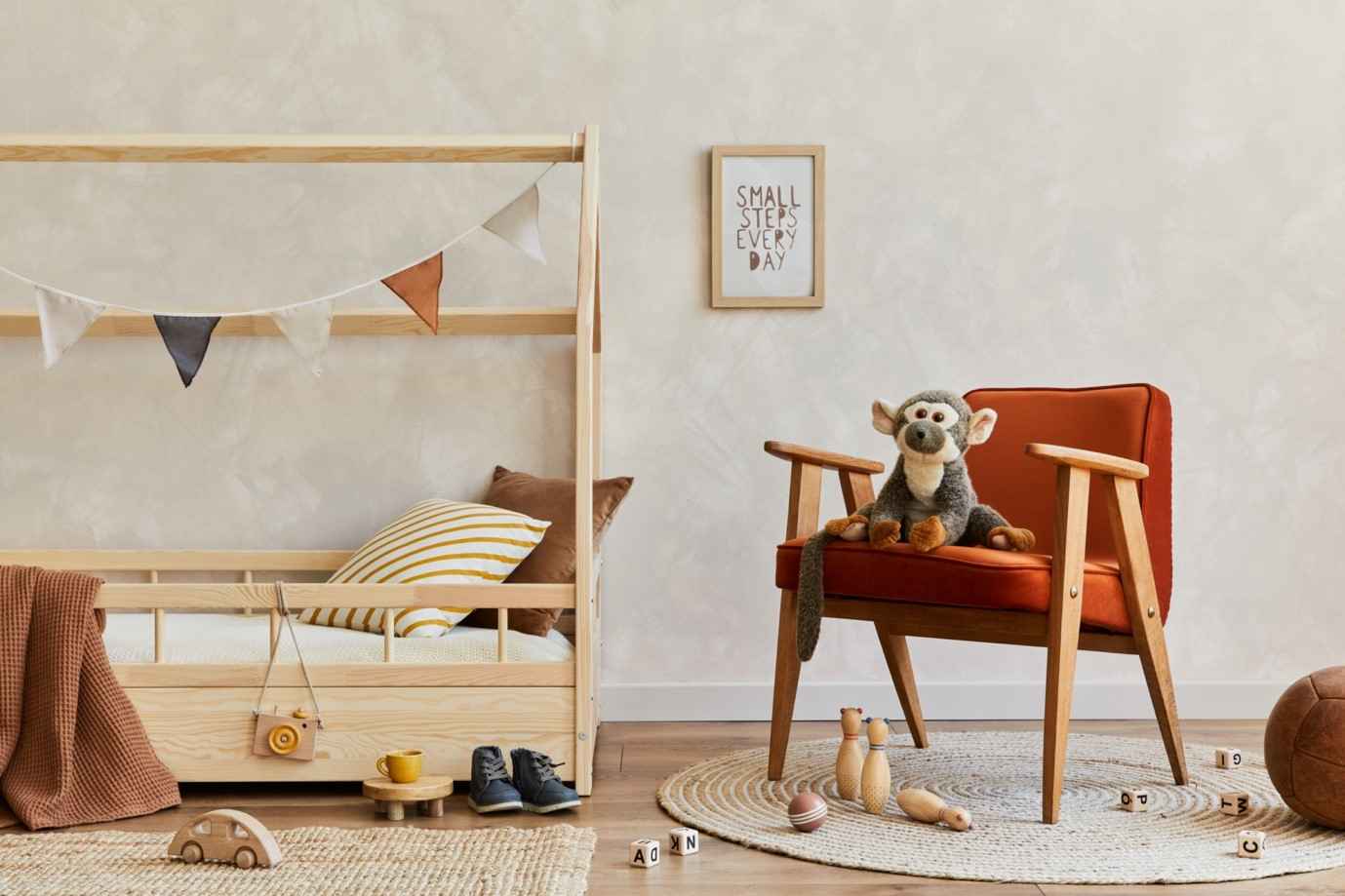
A child’s furniture should adapt to their ever-evolving needs. Here are some critical considerations for different age groups:
- Infants and Toddlers: Cribs with adjustable mattresses, changing tables with safety straps, and low-to-the-ground toy chests are essential for early childhood. Consider convertible cribs that can quickly transform into toddler beds when purchasing items for your child’s room. This ensures that the furniture will last longer and reduces the need for frequent replacements.
- Preschoolers and Early Elementary: This age group benefits from imaginative play and exploration. Incorporate activity tables, cozy beanbags, and low bookshelves to easily access books and educational toys.
- School-aged Children and Teenagers: Focusing on their learning and personal space is essential during a child’s formative years. Desks that have adjustable heights and chairs that promote good posture are essential. Additionally, it’s a good idea to include storage solutions like wardrobes, drawer chests, and bookshelves to help your child stay organized and manage their belongings.
Beyond the Basics: A World of Furniture Options for Kids
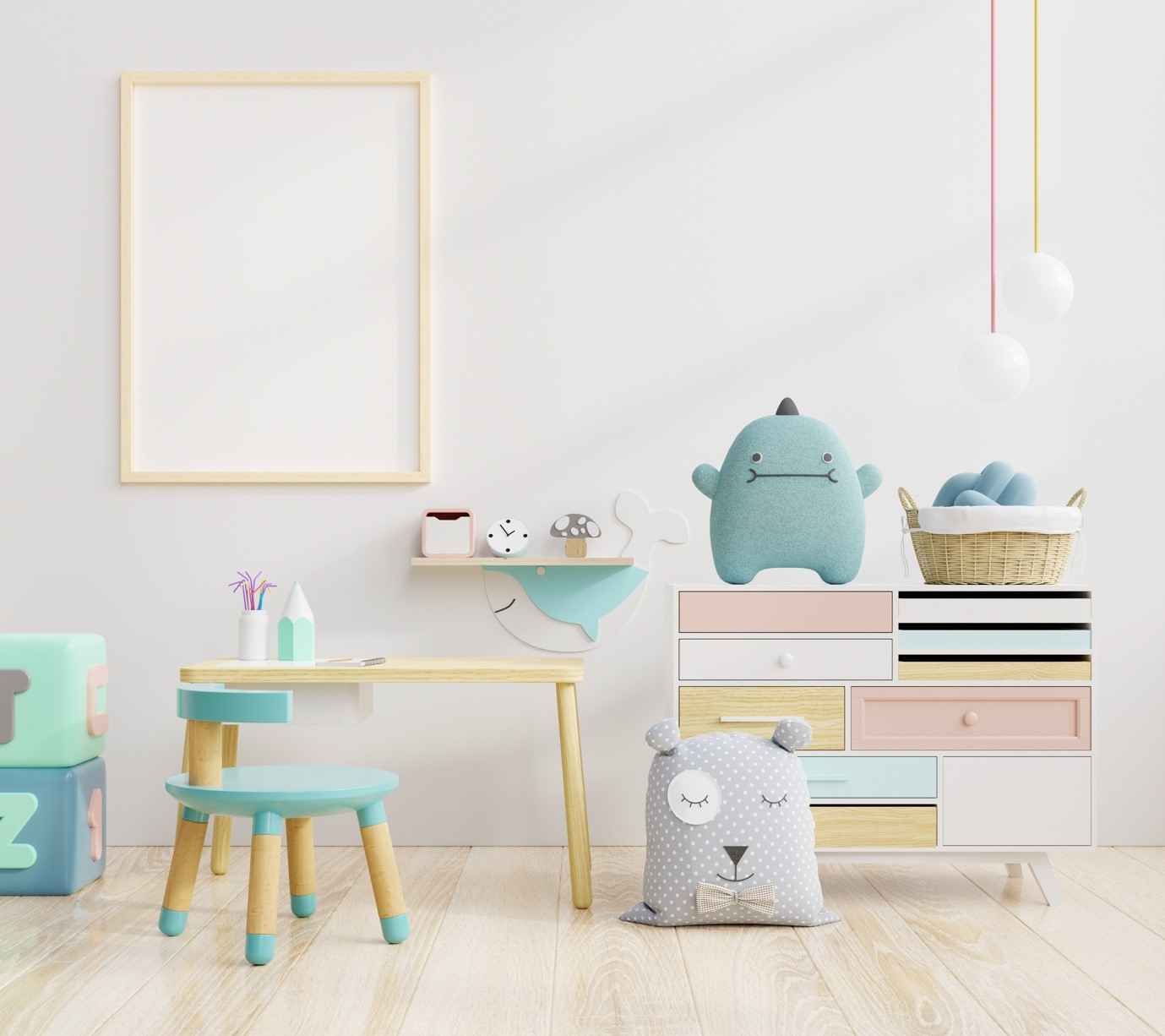
While beds, desks, and storage solutions are essential for a kid’s room, additional furniture can improve the overall space:
- Partitions and Dividers: It is essential to have sufficient storage space available for your personal belongings. This not only helps to keep items organized but also encourages a sense of responsibility. You can use closets, cabinets, and drawers to store clothes, bedding, and other items. A designated place for each item lets you quickly locate them when needed. This also ensures that your living space remains tidy and clutter-free.
- Shelving: One way to foster a love for literature is to provide accessible storage for books of all shapes and sizes. Doing so enables easy access to various reading materials, which can help cultivate a passion for reading and discovery. Consider setting up bookshelves or storage bins in convenient locations throughout your home or workplace. You can also organize books by genre, author, or topic to make it easier to find specific titles. By providing an accessible environment for books, you can encourage yourself and others to explore new worlds and ideas through the pages of a good book.
- Seating options: Beanbags, floor cushions, and comfortable chairs are versatile seating options that can create cozy nooks for various activities. Beanbags are soft, lightweight, and quickly move around, making them ideal for lounging, reading, or playing games. Floor cushions are low to the ground and provide a comfortable seating option for meditation, yoga, or relaxing. Comfy chairs, on the other hand, offer a more traditional seating experience, with the added benefit of being ergonomically designed for optimal comfort and support. These seating options can be combined to create different seating arrangements that cater to different needs, whether a cozy reading corner or a space for socializing with friends.
- Storage solutions: To keep your home tidy, consider using toy chests, bins, and cubbyholes to store toys and other items. These storage solutions can help keep clutter at bay while teaching valuable organizational skills. Additionally, having a designated space for toys can foster a sense of order and encourage children to take responsibility for their belongings. With a well-organized space, you can spend less time cleaning up and more time enjoying quality time with your family.
- Kids Table: Introducing the Cuddles table and chair set, a perfect addition to your home furniture collection. The Fresh Table series offers a range of vibrant and refreshing colors, such as Apple, Orange, and Watermelon, adding a pop of color to your living space. In addition to the Fresh series, the Gol chalk writing table is an exciting option for those who love to jot down ideas or create art. Upgrade your home decor with these fantastic table options and bring life to your living space!
- Role Play: This delightful set is perfect for children who love imaginative play. It features a charming flower cradle complete with a cute little doll, a handy garden trolley for outdoor adventures, a practical drying rack for laundry days, and even a mini kitchen with a microwave and refrigerator for budding chefs. With this set, children can let their imaginations run wild as they create their own stories and scenarios. It’s a beautiful way to encourage creativity and spark their wonder.
- Activity Boards: At Playfurn, parents can find an exciting range of boards designed to keep kids engaged in hours of creative play. These boards include an activity board truck that features a variety of interactive elements, a hut blackboard that kids can use to draw and scribble to their heart’s content, and traffic signs that can help kids learn about road safety in a fun and interactive way. These boards are great for keeping kids entertained and encourage them to learn and develop essential skills in a safe and stimulating environment.
- Room Essentials: Cheval mirror, clothes hanger, pencil wall peg, and the Malka dressing table are essential items for a child’s room.
A Symphony of Colors: Choosing the Right Palette
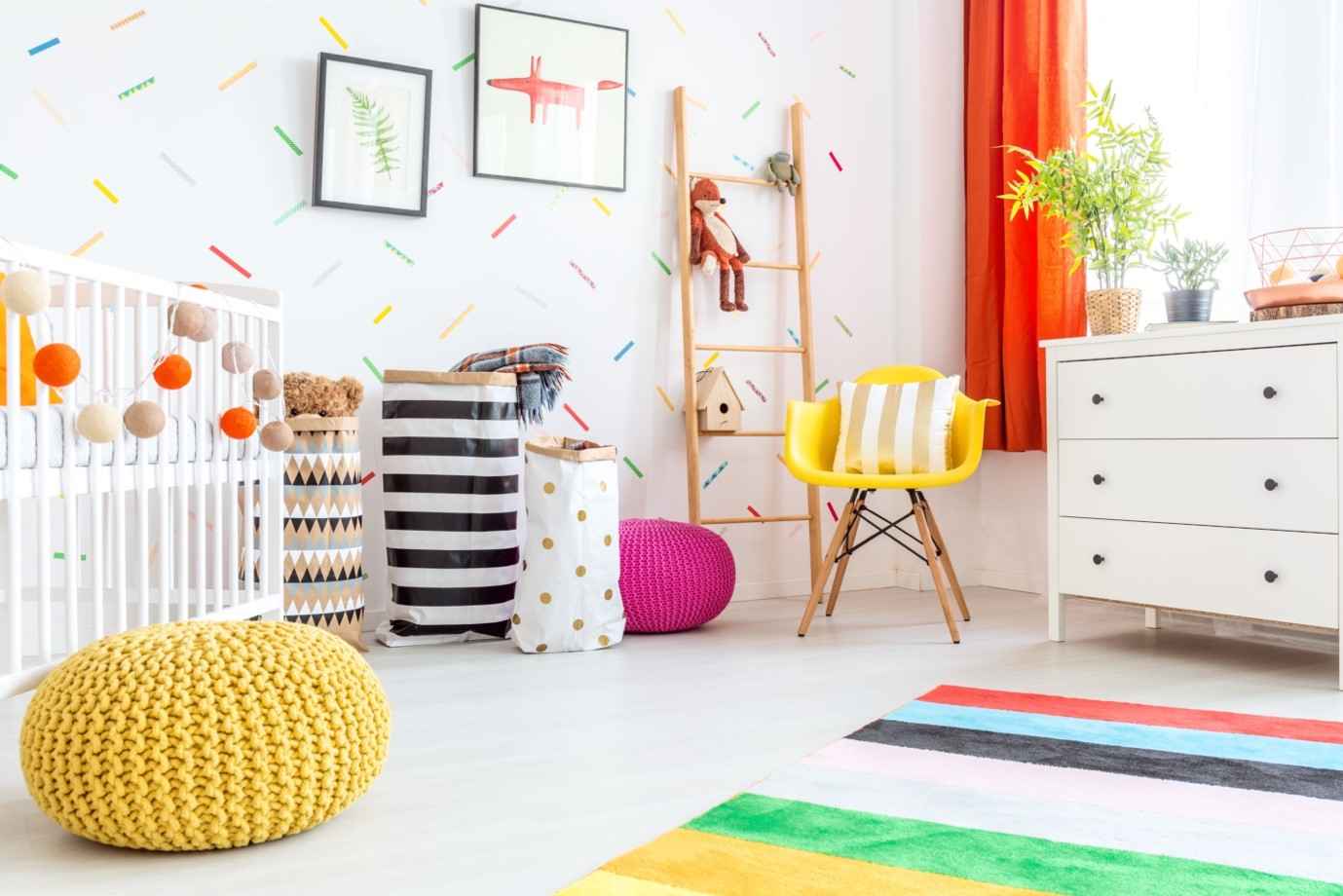
Colors are crucial in shaping a child’s environment and influencing their mood and development.
For different stages of childhood, it is recommended to choose other colors for their rooms:
- Early Childhood: For early childhood, opt for soft and calming colors like pastel shades of blue, green, and yellow. These colors create a peaceful atmosphere that is conducive to sleep and relaxation.
- School-aged Children: As children grow older and enter school age, introduce brighter colors that stimulate creativity and imagination. It may be helpful to consult your child and incorporate their favorite colors into the room’s design.
- Teenagers: Teenagers need to express their individuality by being involved in the color selection. This will empower them to take ownership of their space and create a reflection of their personality.
Space Planning: Creating Zones for Growth
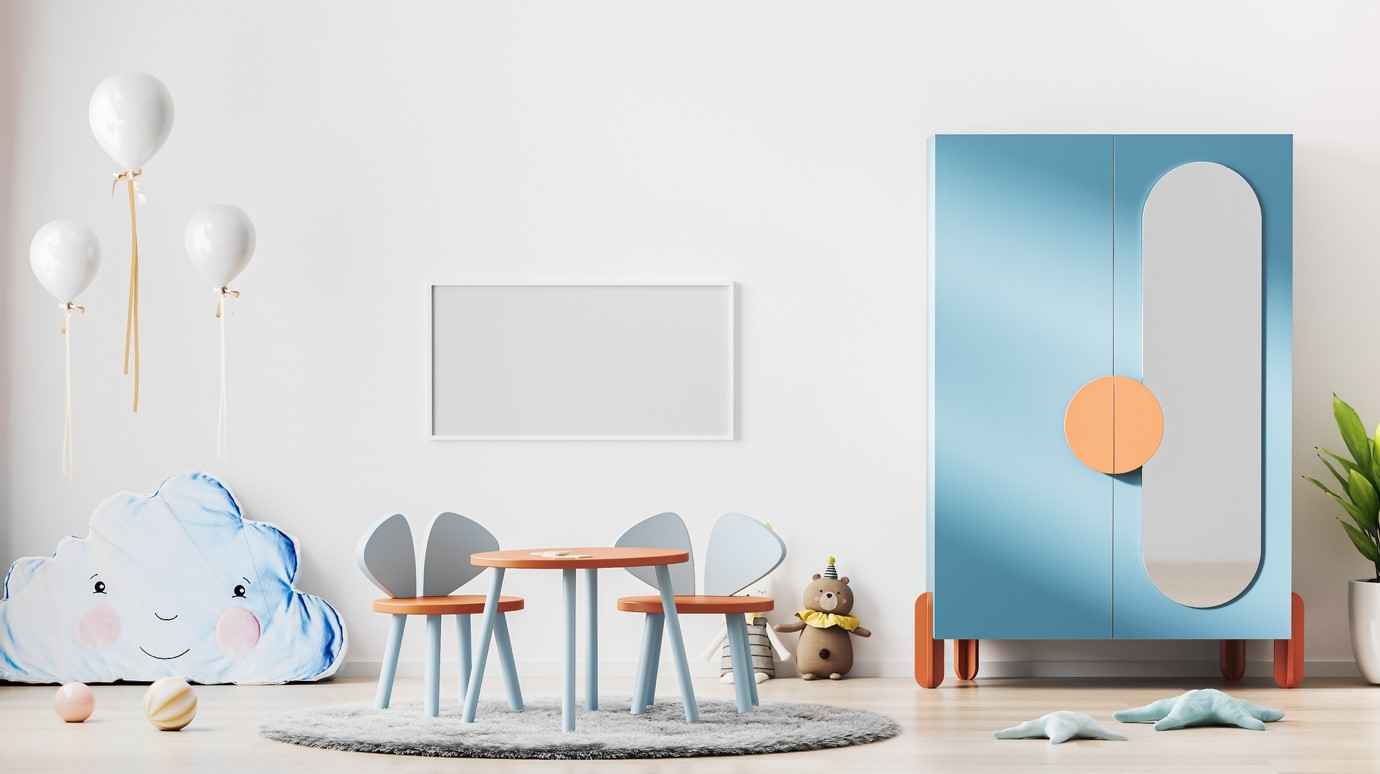
A child’s room serves multiple purposes – a haven for sleep, a playground for exploration, and a space for learning and development.
Here are some tips for effective space planning:
- Divide the room into zones: Create distinct spaces for resting, playing, and learning without using walls. Separate the room into various areas by arranging furniture and carpets.
- Positioning furniture: To create an ideal sleeping space, move the bed away from any drafts, such as radiators or windows. Place the desk so that natural light may flood the study space by placing it near a window.
- Free space is critical: Make enough area for kids to run about and play without stuffing the room. As a result, people are more likely to be active, creative, and free-spirited.
Safety Beyond Furniture: Accessories with Caution
While accessories can add personality and charm to a child’s room, prioritize safety. Avoid:
- Small, detached objects: Young children are at risk of choking on these. Select ornaments that are both substantial and well-secured.
- Sharp or pointed edges: Avoid any accessories that could injure someone by sticking their sharp edges or projecting points.
- Heavy objects: Heavy objects should be mounted securely to the wall to prevent them from collapsing and causing damage.
Embracing Sustainability: Eco-Friendly Choices for a Greener Future
In today’s environmentally conscious world, many parents opt for sustainable furniture for their children’s rooms. Here are some ways to contribute to a greener future:
- Material choices: Solid wood from sustainably managed forests, bamboo, or recycled plastics are some of the sustainable furniture materials. In addition to improving air quality indoors, these options reduce adverse environmental effects.
- Durable construction: Invest in durable furniture to cut down on wasteful replacements and prolong the life of your investment. Seek out pieces of furniture that have sturdy construction and use premium materials.
- Secondhand finds: Shop around at thrift stores or online for used furniture. You can save money and help the environment by finding new uses for old furniture.
Fostering Creativity: Encouraging Expression Through Customization
A child’s room should reflect their unique personality and interests. Here are some ways to encourage creativity and foster a sense of ownership:
- DIY projects: Participate in do-it-yourself activities with your child, such as painting furniture, embellishing cushions, or making wall artwork. Because of this, they can make their place unique and reflect their individuality.
- Themed décor: Incorporate themed décor components to embrace your child’s hobbies. Wall decals, bedding sets, and furniture adorned with their beloved characters or hobbies could be part of this.
- Customizable furniture: Investigate personalization choices such as detachable fabric panels or interchangeable drawer fronts. As your child’s interests change, they can make their room their own.
Preserving Pristine Condition: Maintaining Furniture for Lasting Use
Proper maintenance is essential to maintain your child’s furniture for years. Here are some tips:
- Regular cleaning: Make sure you clean your furniture regularly using a method appropriate for its material. This may require dusting wood furniture, vacuuming upholstery, and washing off surfaces with mild cleaners.
- Stain-resistant finishes: Choose furniture with coatings that prevent stains, particularly for surfaces prone to accidents. This makes cleaning a breeze and protects against long-term harm.
- Washable fabrics: Slipcovers and removable cushions are great examples of washable furniture options that make cleanup a breeze.
- Durable construction: Invest in well-made furniture made of durable materials so it can endure the daily abuse from active children.
Infusing Learning into Every Corner: A Room that Inspires
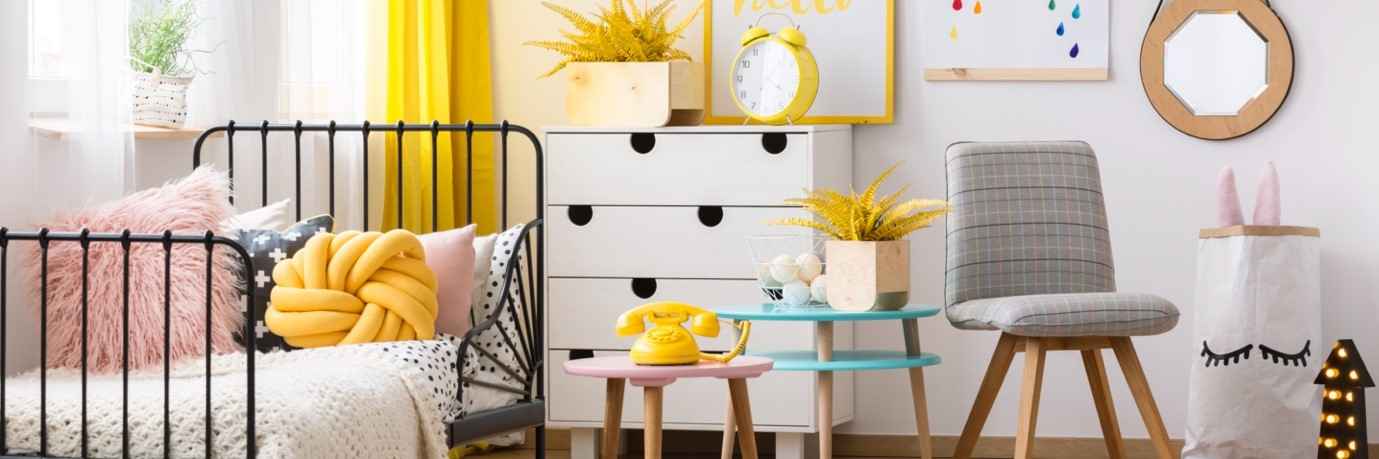
A child’s room should be a place for sleep and play and a space that encourages learning and exploration.
Here are some ways to integrate educational elements:
- Interactive furniture: Explore pieces that double as kids’ learning toys, such as activity tables with built-in maps or alphabet blocks.
- Themed reading nooks: Create a cozy reading nook with comfortable seating, a bookshelf filled with age-appropriate books, and a thematic décor that sparks curiosity and encourages exploration of different topics.
- Educational displays: Utilize wall space for academic presentations, such as maps, charts, or inspirational quotes. These can serve as conversation starters and encourage continuous learning.
Conclusion:
A Space that Grows with Your Child Designing a child’s room is emotional, involving many thoughtful decisions about the space’s practicality, functionality, and the promotion of creative play. Through the exploration of many furniture possibilities, consideration of age and developmental stages, adherence to safety requirements, adoption of environmentally conscious practices, encouragement of creativity through personalization, and management of financial limitations.