

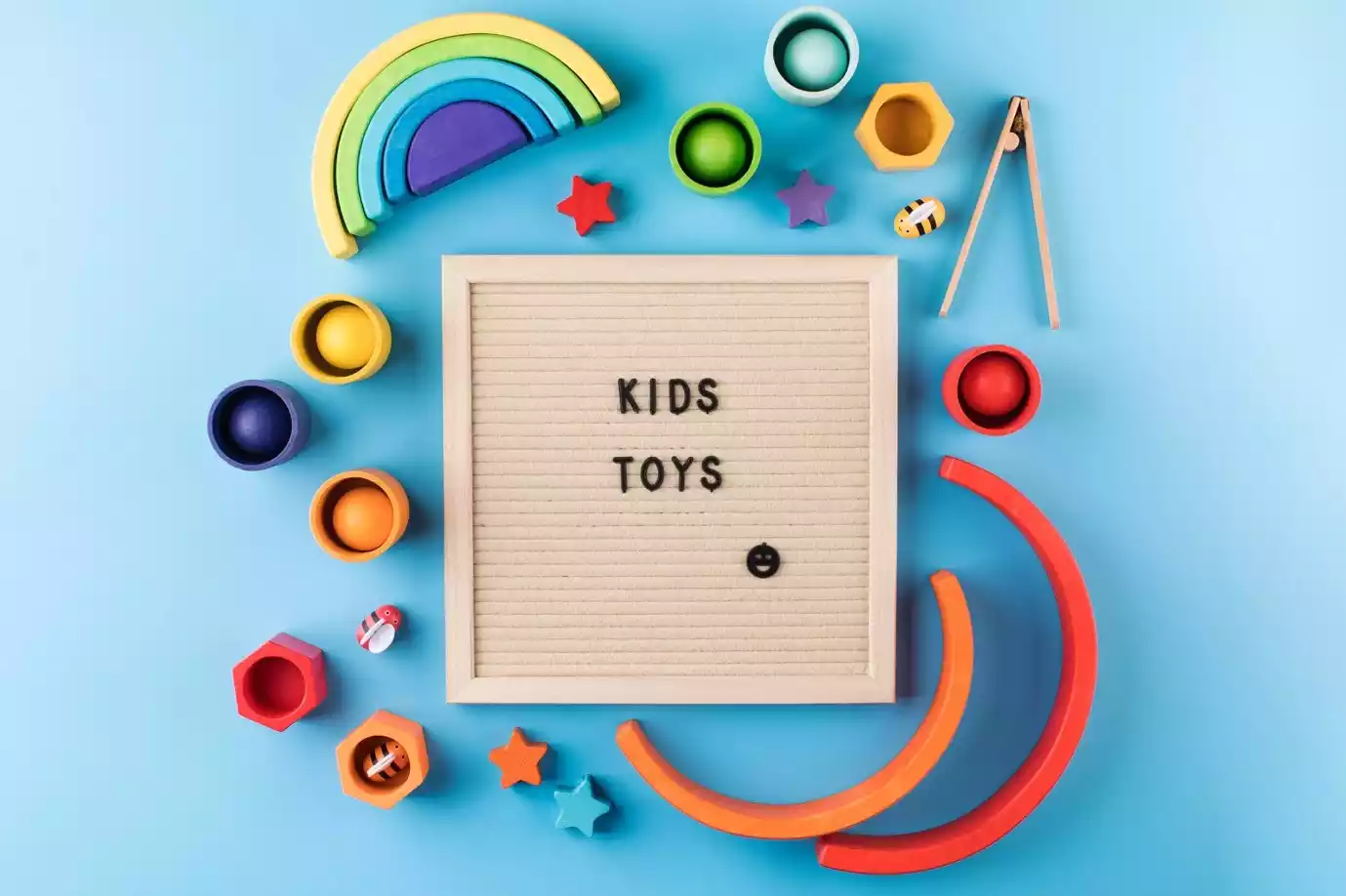
Educational Toys for Kids
Introduction
Have you ever observed the complete immersion that children experience when playing sudoku or putting together a puzzle? They are learning to think critically and solve problems while they play. Toys like these have a significant role in teaching children to solve issues by providing them with opportunities for play and exploration. Let’s examine these interesting toys more closely to see how they can help children develop problem-solving skills.
First, let’s settle on a standard definition of “problem-solving skills” before discussing how classic toys encourage cognitive growth. An essential skill for problem-solvers is the capacity to generate novel ideas and then methodically put them into action. The capacity to creatively apply knowledge to new situations is an example of higher order thinking necessary for problem-solving instead of rote memorizing facts or a body of knowledge.
Children can improve their problem-solving ability by playing with toys such as puzzles and sudoku. Through participation in these activities, they can learn to think creatively and methodically, which, in turn, can improve their ability to make decisions that are in their best interests. Let’s look at the characteristics and advantages of these toys designed for children:
Puzzles
Puzzles offer young minds the opportunity to practice critical thinking and problem-solving skills, which may benefit their development. Children develop their capacity for deductive reasoning and the ability to solve problems as they carefully examine the many colors, forms, and patterns depicted on the pieces. Children can acquire patience and perseverance by playing with puzzles, which allows them to work through the numerous procedures necessary to complete the puzzle.
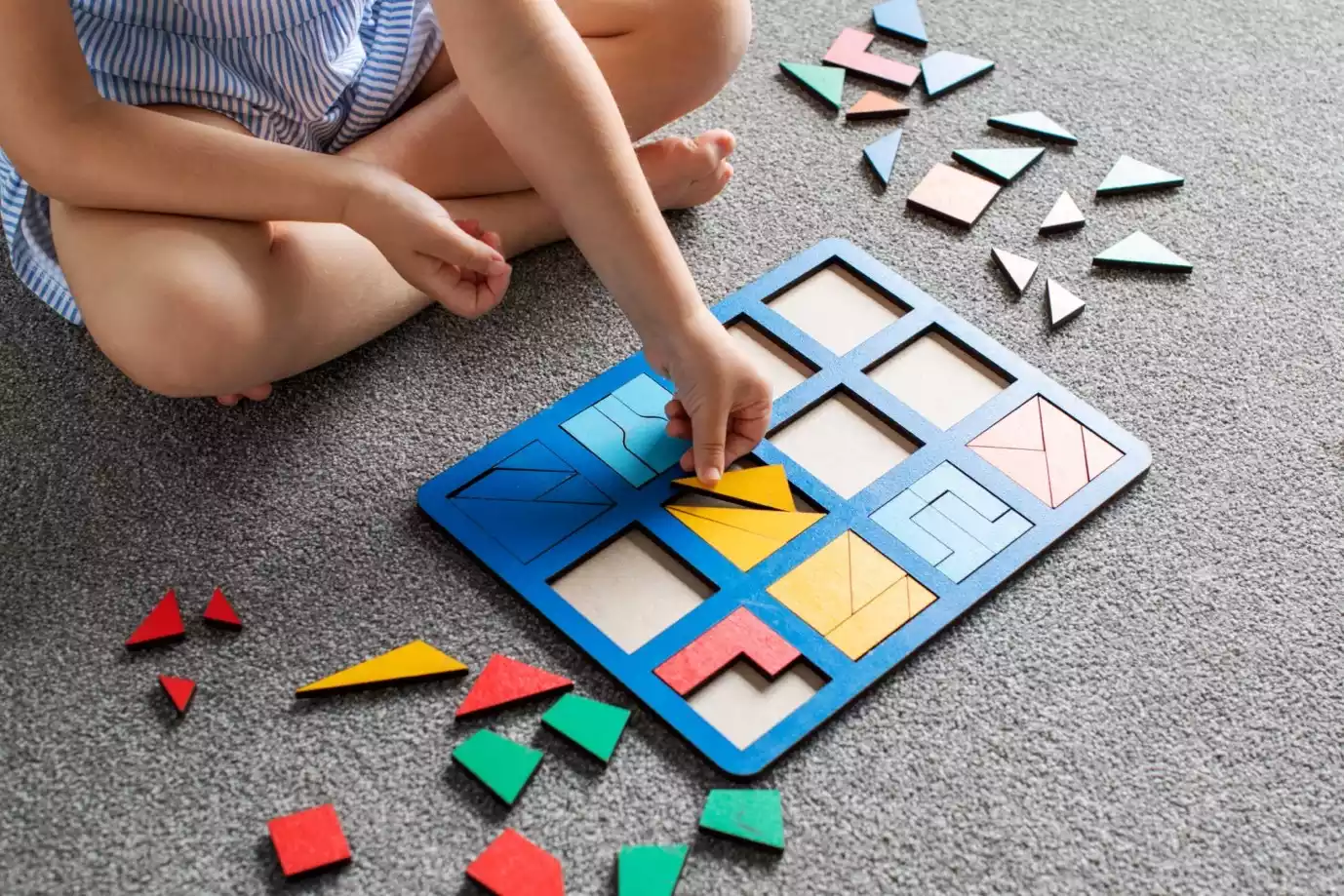
The pros of using puzzles include:
- Develops problem-solving skills
- Helps children learn patience and persistence
- Encourages logical and systematic thinking
- Supports learning of colors and shapes
- Encourages imaginative play
- Boosts creative thinking
- Promotes hand-eye coordination and control
- It helps develop fine motor skills
- Fosters concentration and focus
- Supports academic achievement in math, science, and other subject areas
Activity boards
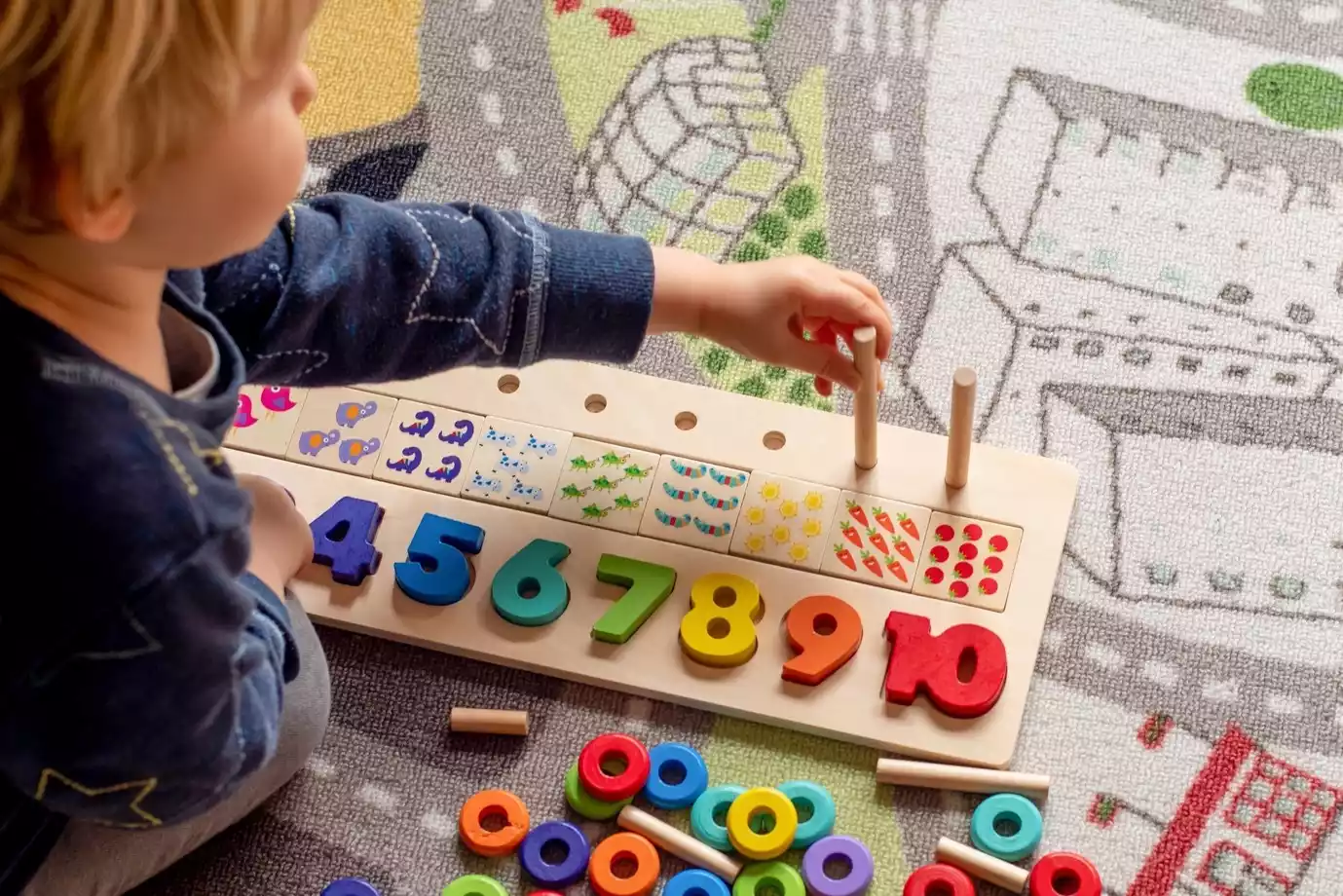
Activity boards are educational toys designed to help foster children’s learning and development (https://playfurn.com/product-category/activity-boards/). They feature a variety of interactive activities and games that encourage children to engage. These boards promote a hands-on approach to play, providing children with a fun way to learn new skills and develop critical thinking skills.
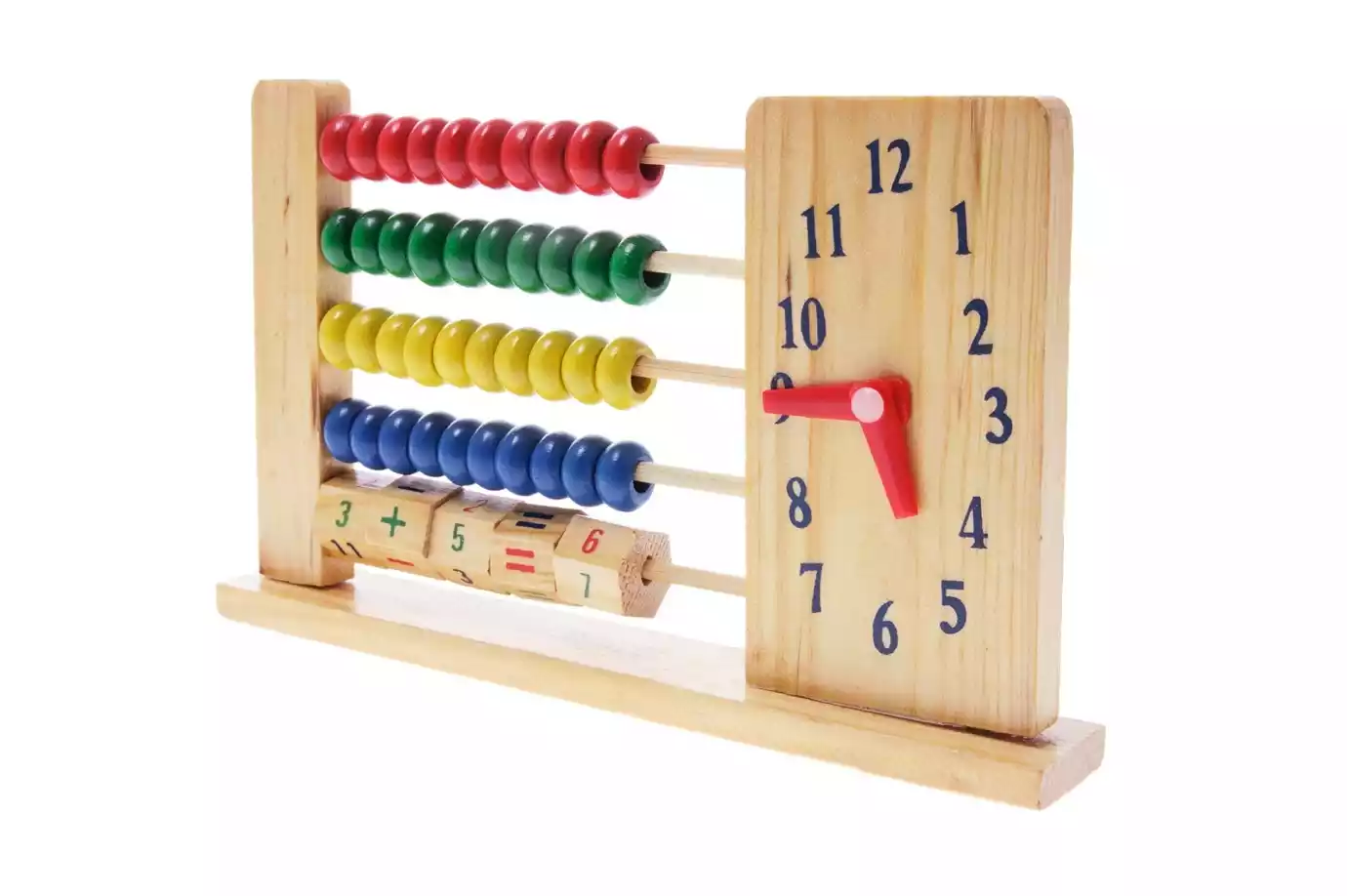
Depending on the child’s age and developmental stage, activity boards can showcase a variety of activities. Here are a few typical things to do:
Word, shape, and number recognition flashcards.
Work on your hand-eye coordination with these fun puzzles!
Development of fine motor abilities using sticker books.
Kids can hone their problem-solving abilities with the help of educational toys. Word and sudoku puzzles, Lego sets, card games, board games, toy instruments, scientific kits, do-it-yourself arts and crafts, and computer programs are just a few examples of the kinds of toys that help kids develop their reasoning, logical thinking, and problem-solving skills.
Studies have shown that educational toys can encourage kids to think for themselves and create a good outlook. Learning to cope with adversity is a life skill that children who play with educational toys to solve problems are more likely to acquire. According to the research, children who play with educational toys exhibit more significant levels of creativity and emotional and social maturity. Children can develop closer relationships with their parents or caretakers through educational toys. The increased exposure to fresh information that educational toys may provide can help children become more culturally literate.
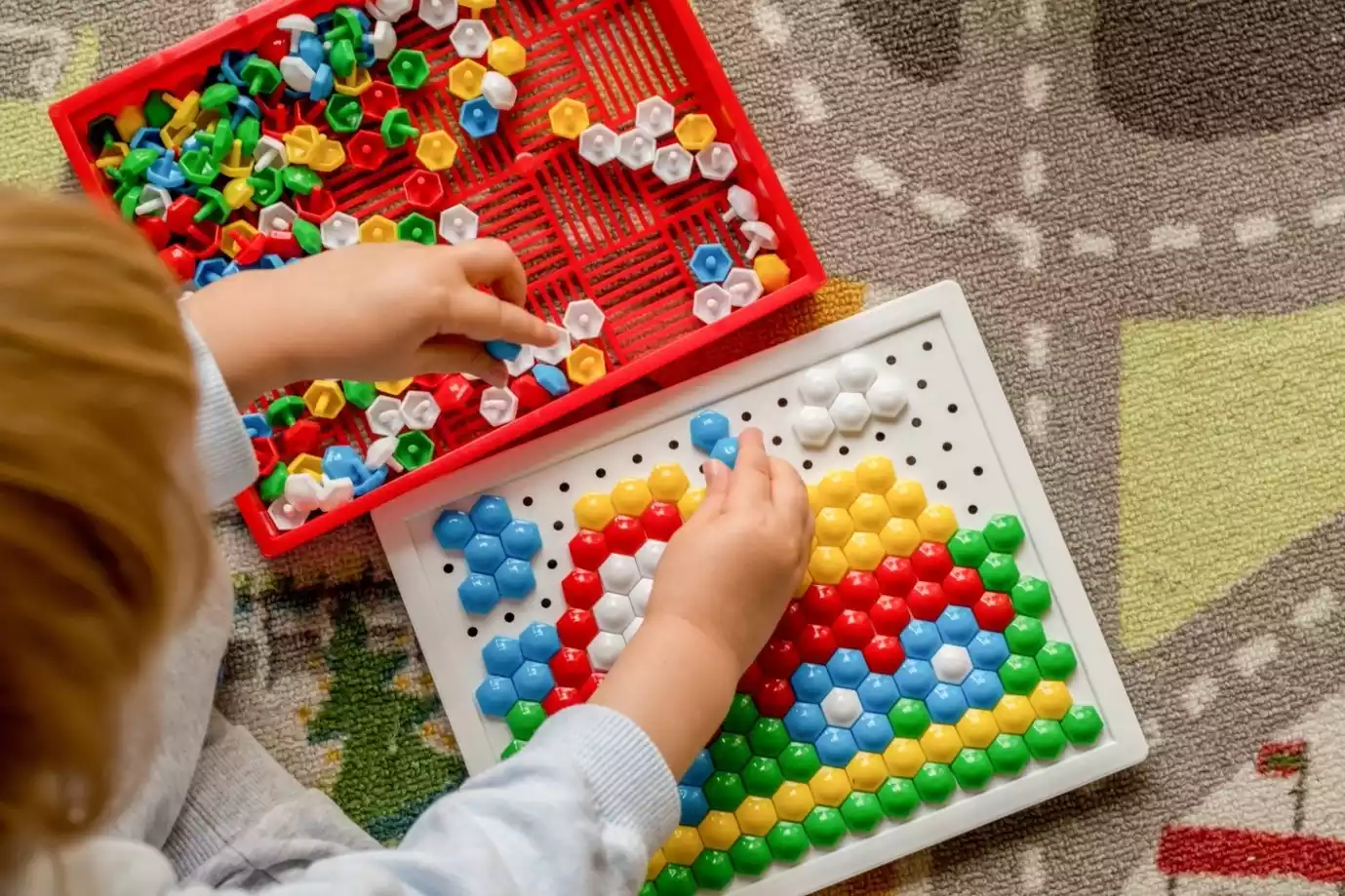
One of the advantages of educational toys is how they encourage youngsters to think critically and creatively. Such toys have been engineered to facilitate the development of children’s problem-solving and decision-making abilities via play and practice. Instead of focusing on memorization or following directions, these toys encourage kids to actively seek solutions by developing. Educational toys aid in the development of problem-solving skills by giving kids a chance to try out different approaches and learn from their errors.
By encouraging youngsters to think outside the box and develop their answers, educational toys can help them become better problem solvers. Children who play with educational toys develop critical thinking skills that will serve them well in the future. Toys that teach kids a lesson let them experiment, mess up, and eventually get it right. By putting kids in various settings where they need to solve problems, educational toys can help them develop these abilities. Educational toys can help youngsters develop their critical thinking abilities by modeling systematic and logical thought processes.
How to Choose the Right Educational Toy
Several essential factors must be considered when selecting a suitable educational toy for your child. Toys are crucial in a child’s development, promoting learning, creativity, and cognitive growth.
Age-Appropriateness:
The first step in selecting a suitable educational toy is to ensure its age appropriate. These toys are designed to cater to the specific developmental needs of children at different stages of growth. Toys that match their age level keep them engaged and foster learning games for kids in a way that aligns with their abilities and interests.
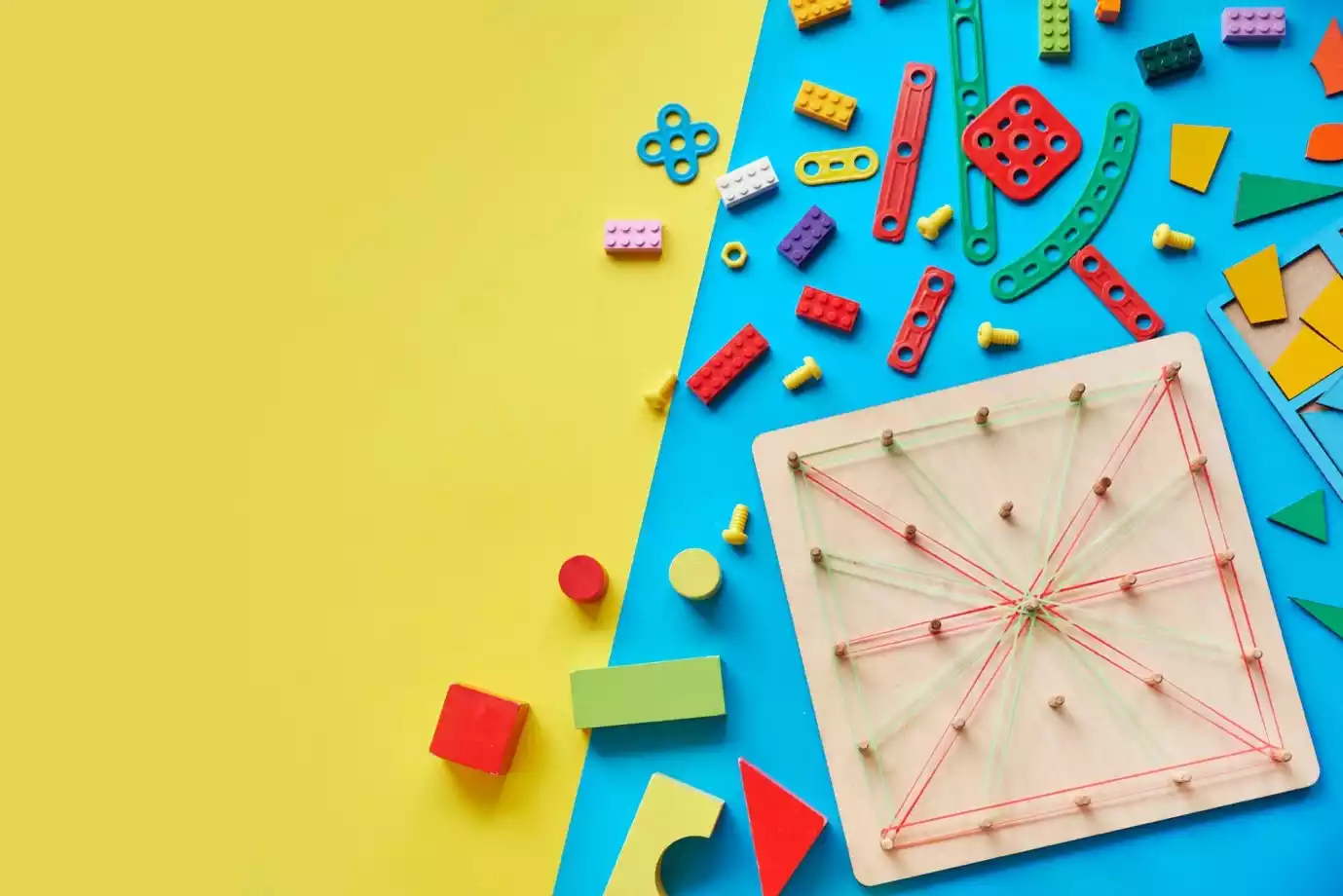
Educational Value:
Try to choose toys that have educational games that kids can play with. Toys that promote creativity, imaginative play, problem-solving, critical-thinking, language development, and fine motor abilities are one example. Choose toys that will stimulate their imagination and encourage them to learn, even while they enjoy playing with interesting facts for kids.
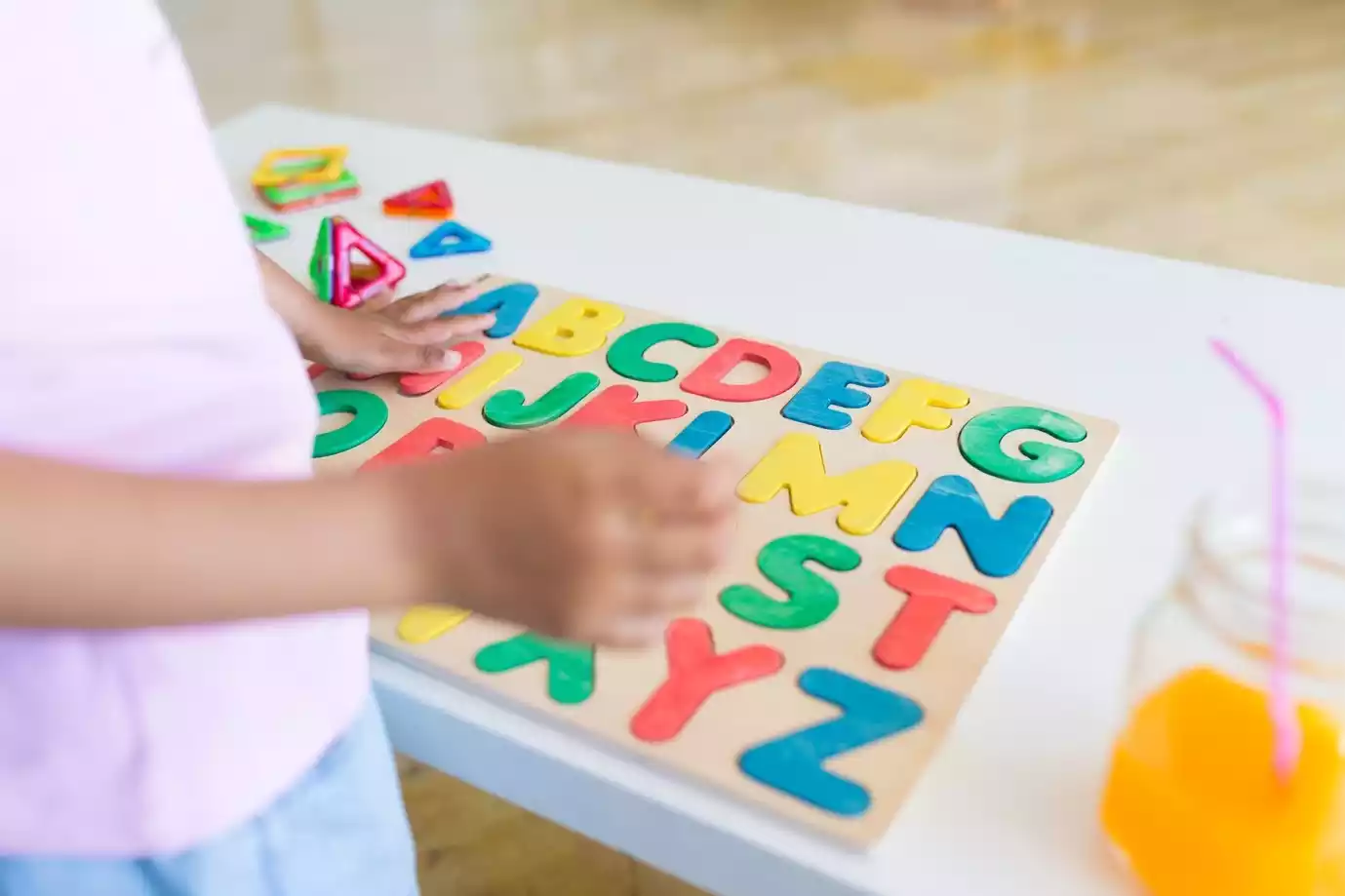
Safety Considerations:
Parents should make sure the toy is safe before you buy it. You should check that the toy doesn’t have any hazardous substances, sharp edges, or small pieces that could cause choking. To ensure your child’s safety while playing, always look for certificates and age-specific safety standards.
Interests and Preferences of the Child:
If you want to find the best educational toy for your child, consider their individual interests and preferences. If you want to get your child a toy that sparks their attention, watch how they play and what they’re into. Children are more likely to play with and learn from an engaging toy if it piques their interest.
Educational Toys for Children with Learning Disabilities:
Methods of instruction modified to accommodate the needs of children with difficulties learning are essential for their academic growth. Examples of multi-sensory learning toys that can be of great assistance to children include interactive electronic learning systems, board games that focus on language and mathematics, and interactive electronic learning systems.
Safety Precautions and Maintenance of Educational Toys
Toys that encourage exploration, discovery, and learning are essential to a child’s growth and development. But it’s crucial to put in place the right safety measures and keep them in good repair so that everyone can play safely and enjoyably. Toy storage, proper cleaning and sanitization procedures, and safety regulations have been discussed in this blog.
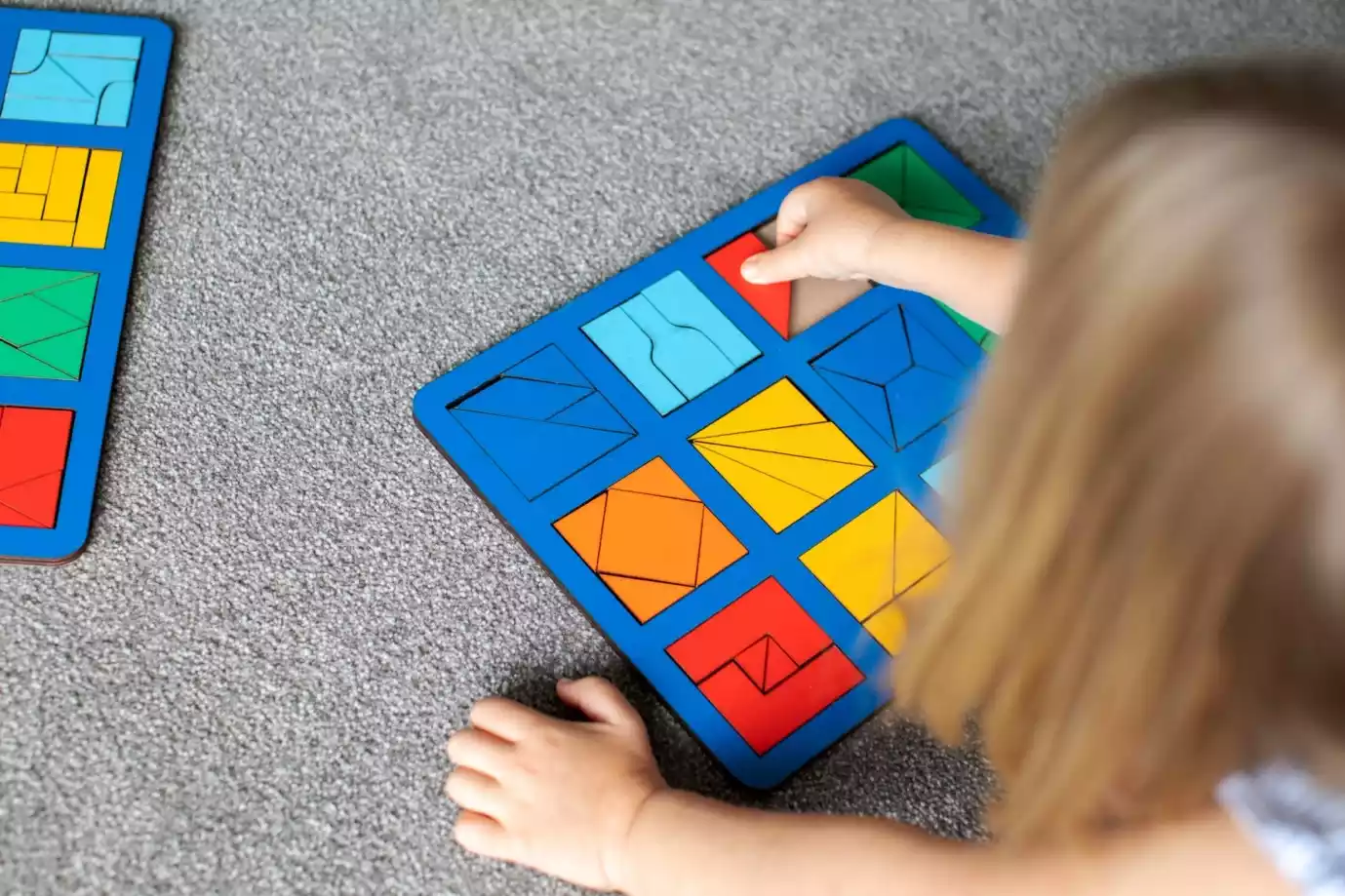
Regular Cleaning and Sanitization:
As they are in constant contact with kids, cleaning and sanitizing educational toys is essential. Toys can be cleaned with mild disinfectants or water and soap to remove allergies, bacteria, and grime. When washing plush toys, it’s best to follow the manufacturer’s directions closely, and if possible, use a machine washable approach.
Conclusion
Finally, educational toys are essential for developing children’s minds. Toys like this encourage children’s emotional, social, and cognitive growth through play-based learning.
Toys designed to foster curiosity, investigation, and problem-solving lay the groundwork for future academic and lifelong success. Purchasing such toys is a wise investment for raising diverse and inquisitive individuals.
Kids love these educational toys because they make learning math and other subjects interesting and engaging. No longer does education need to be dull. If you want to keep your child from becoming addicted to screen time and developing eye strain, consider getting them toys that are both fun and informative.